
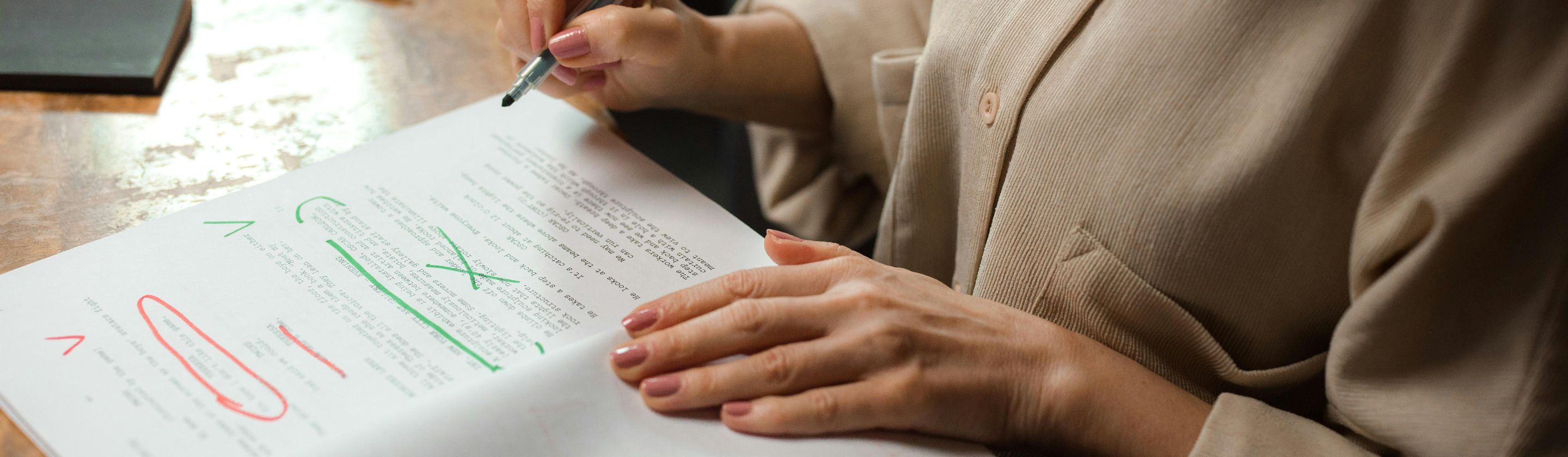
How to Become a Great Editor
Even the best writers are constantly honing their editing skills to become better at their craft. After all, drafting a story is one thing, but having your passages read clean, smooth, and polished is another. Whether you're trying to get better at catching grammar mistakes or tightening your sentences, here are five tips to help you become a stronger editor.

1. Read It Out Loud
The best—and easiest—thing you can do after you've written out a passage is to read it out loud. Enunciate each word slowly. When we write, we tend to make mistakes we don't immediately notice (like duplicating words), so reading it back usually helps us catch these errors. And don't just read it once—read it a few times.

2. Take a Break
When you're constantly working on the same passage, you become blind to the errors that you may be making. For example, you might convince yourself that a sentence works, even when it's unconventional, wordy, and hard for readers to wrap their heads around on the first try. So, take a break. Come back to it in a few hours, or even the next day. When you revisit your work with fresh eyes, you'll be able to notice your mistakes more clearly.

3. Be Ruthless
Scrutinize your writing as if you're a peer reader, and you're trying to point out what needs to go for the text to sound smoother and flow better. It might be hard to develop this habit since writers often value their work too much to change anything too drastically, but it's important to be ruthless to improve.
4. Read Widely
Don't just read the genres you like and are familiar with; when you box yourself in, you won't be exposed to different ideas, thoughts, and expressions. So, branch out and read widely. It's when you challenge yourself to step outside your comfort zone that you'll be able to absorb different styles and voices.

5. Use Digital Tools—But Don't Be Overreliant
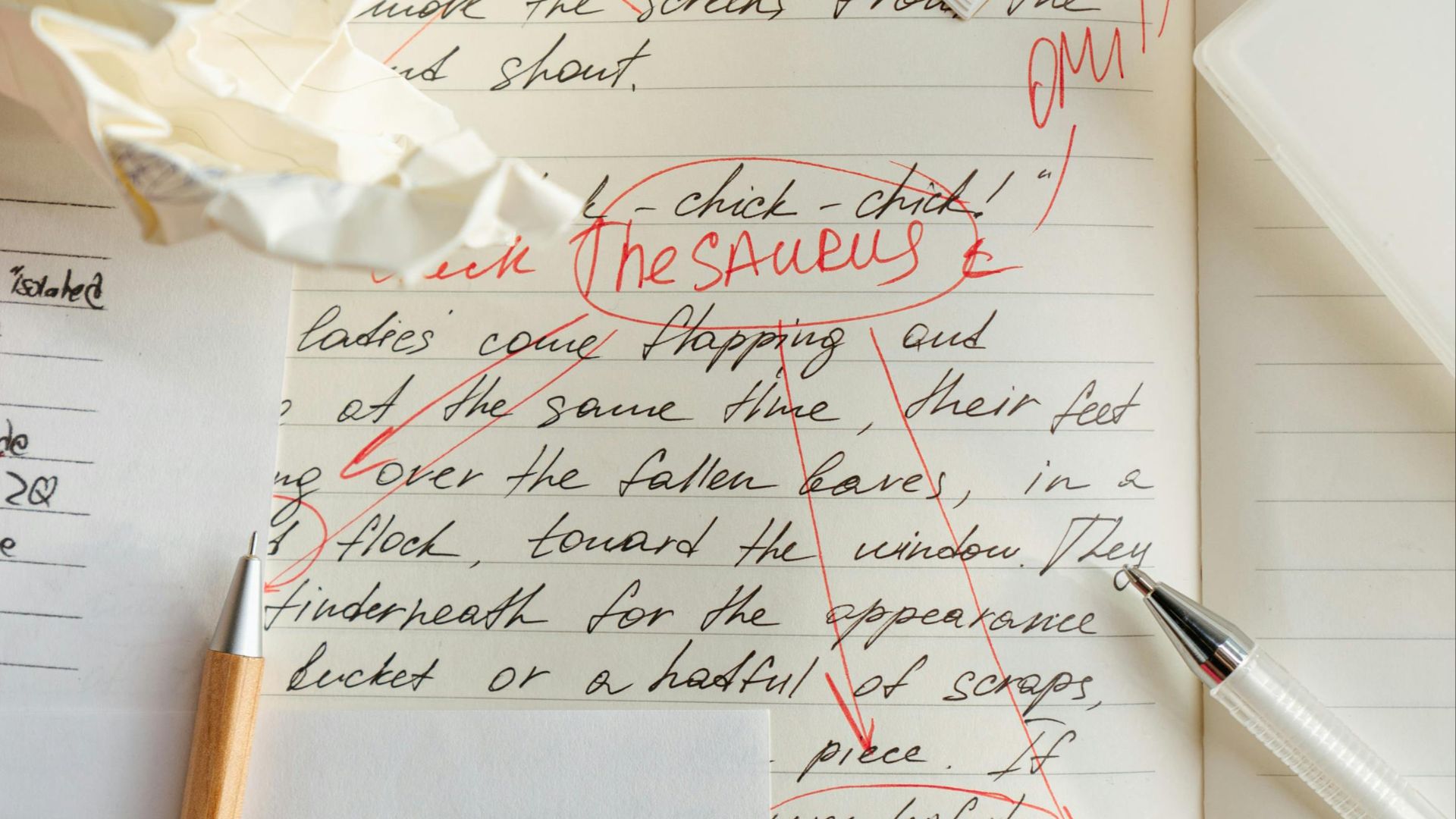
Digital tools can also help point out mistakes and shape you into a better editor. However, it's important not to become overly reliant on these built-in editors, as they can sometimes correct something without taking into account context and nuance.
KEEP ON READING
5 Fun Facts About Stephen King
The 5 Most Popular Comic Book characters
3 Reasons Why You Should Get Into…

5 Reasons You Shouldn't Track How Many…
5 Reasons Authors Use Pen Names